Poison Oak Removal in Lancaster County, PA
Poison oak removal services are designed to safely eliminate this hazardous plant from residential properties, helping homeowners maintain a safe outdoor environment. These services typically cover projects such as clearing poison oak from yards, gardens, wooded areas, or around pathways and structures. Property owners often seek this service when they notice poison oak spreading across their land, especially in areas where children or pets play, or when planning landscaping or outdoor activities to prevent skin irritation and allergic reactions.
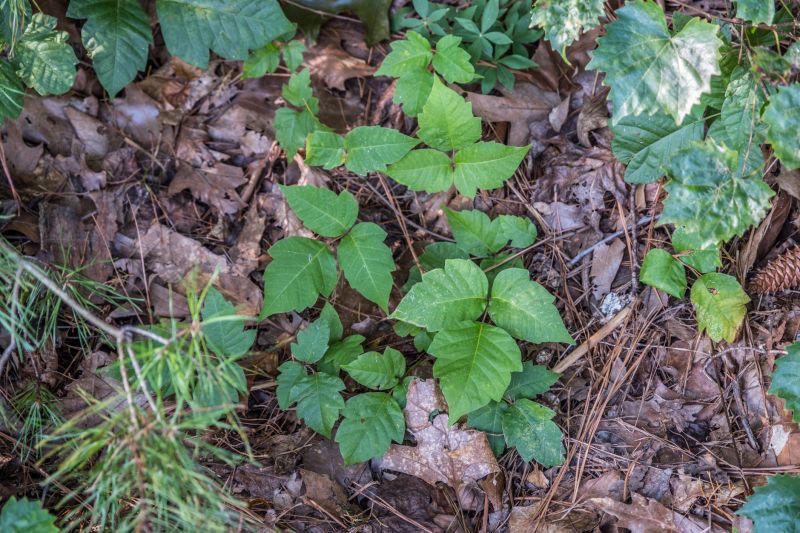
Before requesting poison oak removal, property owners should consider the extent of the plant's growth and its proximity to areas of frequent use. It’s helpful to understand whether the plants are isolated or widespread, as well as any specific safety concerns or access restrictions. Proper identification of poison oak is essential, as it can resemble other native plants. Clarifying these details can ensure that the removal process is effective and tailored to the property’s specific needs.
Many property owners in Lancaster County, PA look into Poison Oak Removal for repairs, replacements, upgrades, and appearance-related improvements.
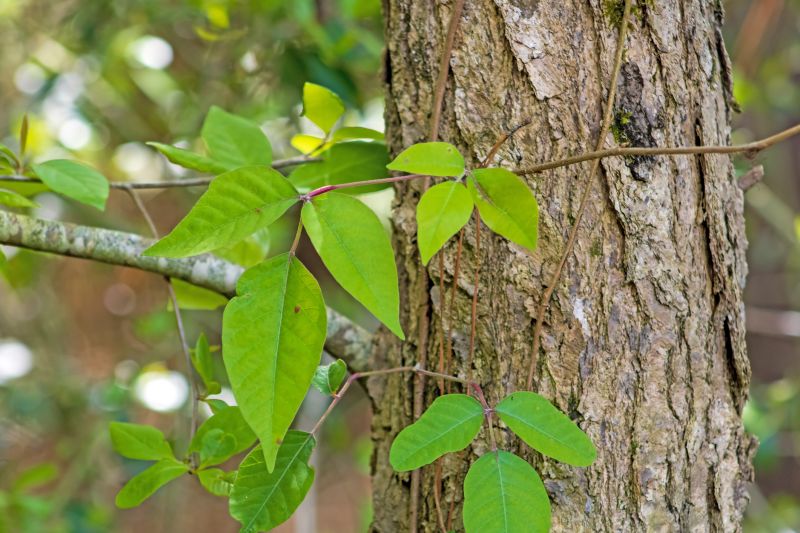
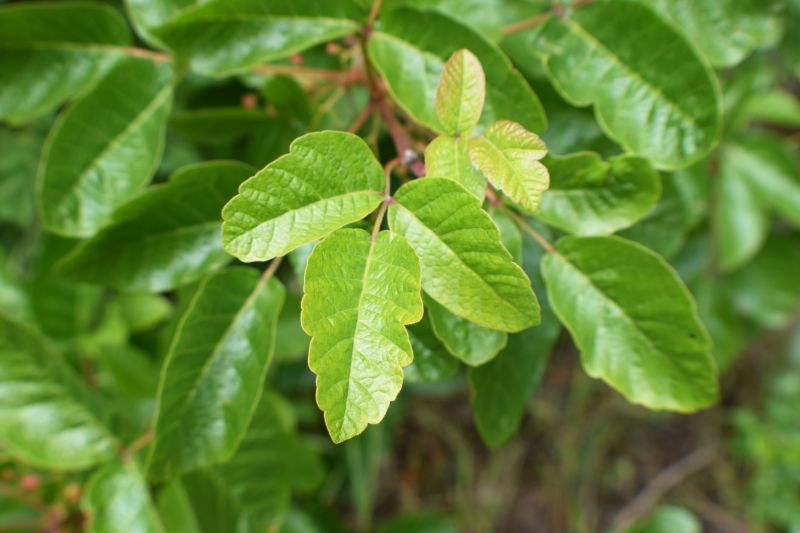
Poison Oak Identification
Recognizing poison oak can help prevent skin irritation and exposure on residential and recreational properties.
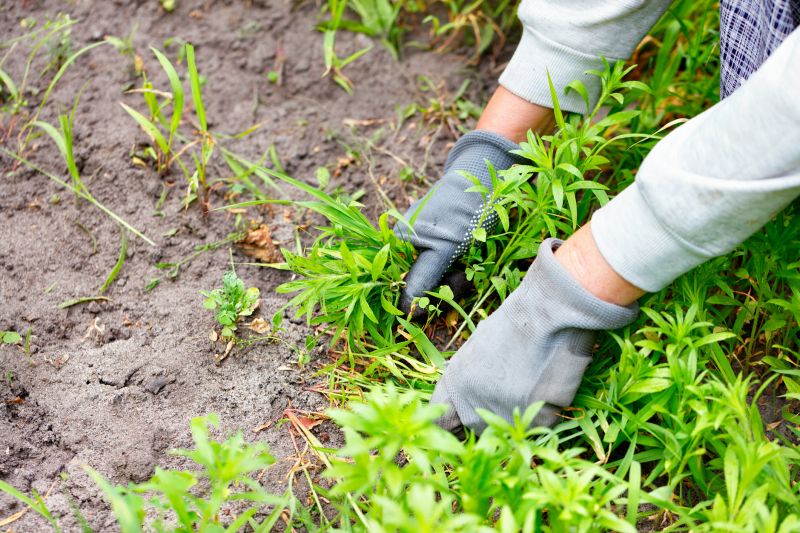
Hazard Prevention
Removing poison oak reduces the risk of allergic reactions for families and outdoor enthusiasts in lancaster county.
Property Maintenance
Effective poison oak removal keeps yards safe and accessible for everyday activities and outdoor enjoyment.
Poison Oak Removal in Lancaster County, PA
Poison oak removal services are designed to safely eliminate this hazardous plant from residential properties, helping homeowners maintain a safe outdoor environment. These services typically cover projects such as clearing poison oak from yards, gardens, wooded areas, or around pathways and structures. Property owners often seek this service when they notice poison oak spreading across their land, especially in areas where children or pets play, or when planning landscaping or outdoor activities to prevent skin irritation and allergic reactions.
Before requesting poison oak removal, property owners should consider the extent of the plant's growth and its proximity to areas of frequent use. It’s helpful to understand whether the plants are isolated or widespread, as well as any specific safety concerns or access restrictions. Proper identification of poison oak is essential, as it can resemble other native plants. Clarifying these details can ensure that the removal process is effective and tailored to the property’s specific needs.
Many property owners in Lancaster County, PA look into Poison Oak Removal for repairs, replacements, upgrades, and appearance-related improvements.
Common Poison Oak Removal Jobs
Poison Oak Removal - safe elimination of poison oak from residential landscapes.
Yard Clearing - removal of poison oak to restore outdoor spaces.
Brush and Shrub Clearing - targeting poison oak growth among dense vegetation.
Property Maintenance - ongoing removal to prevent poison oak re-establishment.
Landscaping Cleanup - clearing poison oak during garden and yard projects.
Hazardous Plant Removal - addressing poison oak to reduce skin irritation risks.
Poison Oak Removal Questions
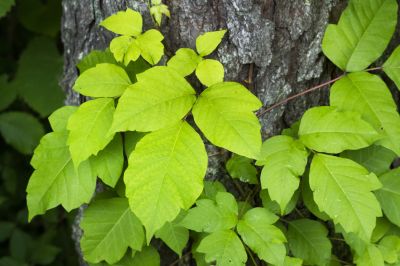
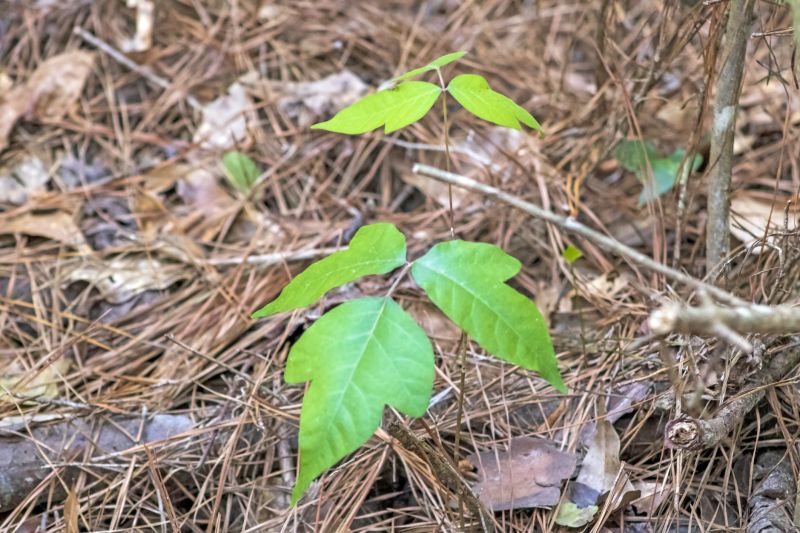
What is poison oak removal? Poison oak removal involves safely eliminating the plant to prevent skin irritation and environmental spread.
When should poison oak be removed? Removal is recommended when poison oak is found in high-traffic areas or near outdoor living spaces.
Does poison oak removal require special equipment? Yes, specialized tools and protective gear are used to safely remove and dispose of the plants.
What areas are suitable for poison oak removal? Removal services typically target yards, parks, trails, and other outdoor spaces with poison oak growth.
Request Poison Oak Removal in Lancaster County, PA
Use the quote form on this page to share the basics of your project and request more information for the type of work you need.